Veterinary Blog in Bulverde, TX
Browse our veterinary blog to stay informed and get helpful pet care tips, safety recommendations, and hospital updates.
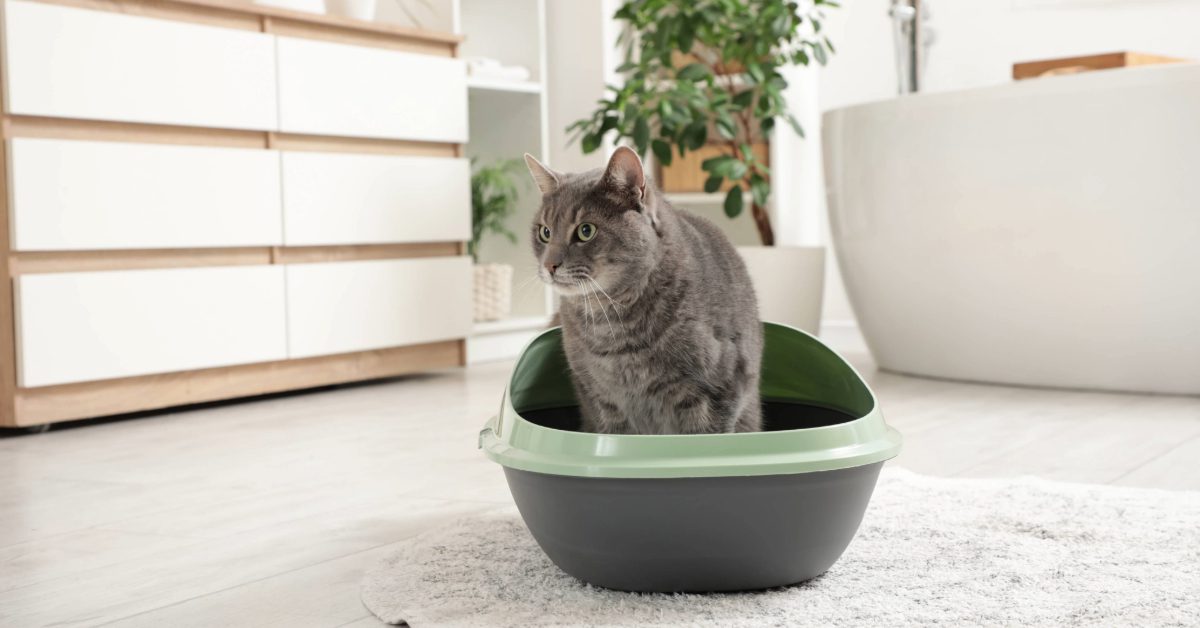
Why is my cat not peeing? The most common culprit is a urinary blockage, followed by bladder inflammation, bladder stones, and stress-related changes that make a cat avoid the litter box. Any of these can turn serious fast, and a cat who strains with little or nothing to show for it needs to be seen…
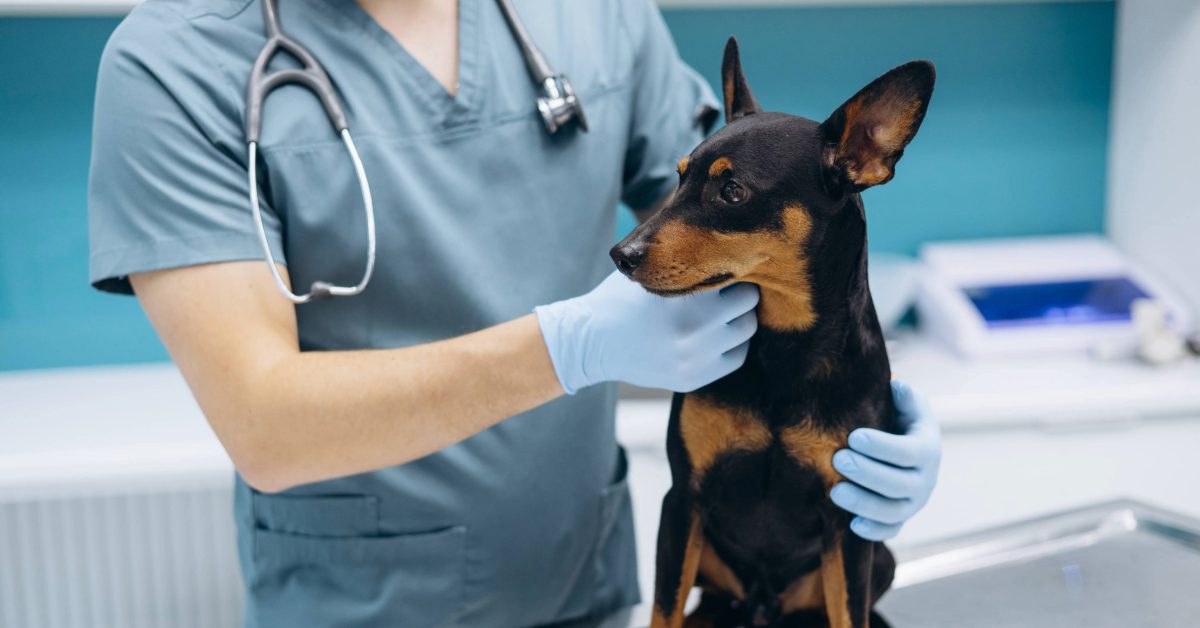
What causes cysts on dogs? In most cases, a blocked oil gland or hair follicle traps material under the skin and forms a slow-growing, fluid- or keratin-filled sac. Genetics, minor injuries, and skin irritation can all play a part. Maybe you found yours while scratching behind your schnauzer’s ear, or while brushing out a poodle’s…
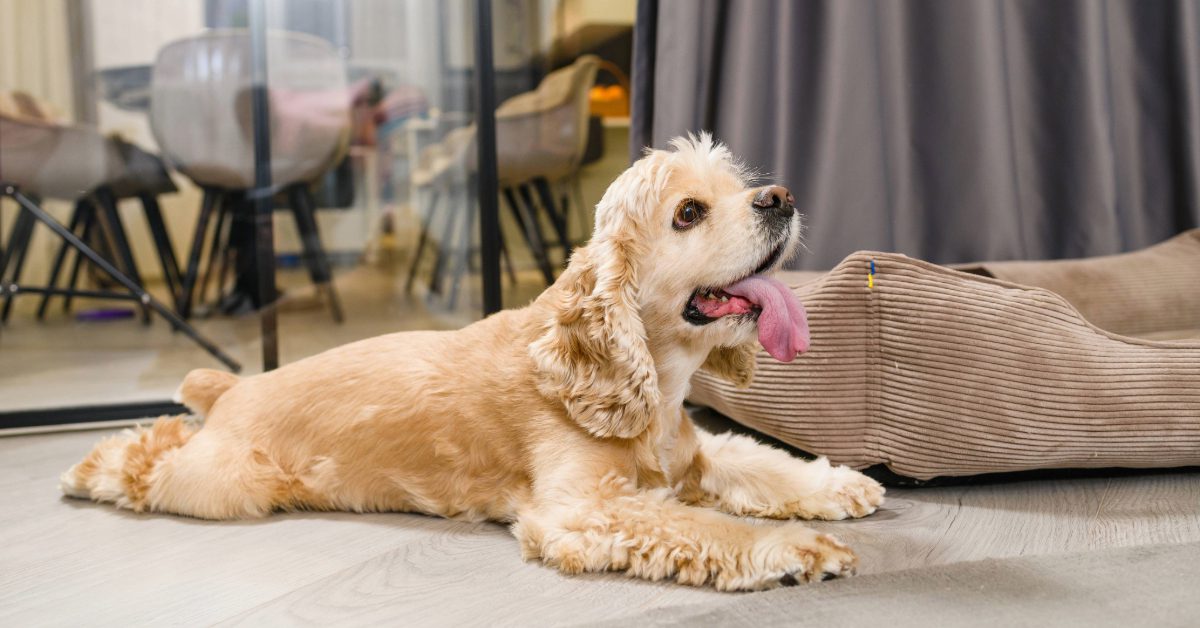
Why is my dog breathing so hard? Most of the time the answer falls into one of two camps: a normal reaction to heat, exercise, or excitement, or a sign that the lungs, heart, or airway need a veterinarian’s attention. Picture a golden retriever who flops onto the kitchen tile after a game of fetch,…

Yes, most dogs can have blueberries in small amounts. When dogs eat blueberries plain and in moderation, they usually enjoy a safe, nutrient-rich treat, although eating too many may cause vomiting, diarrhea, gas, or abdominal discomfort. A few berries can feel like an easy way to share a snack with your dog, especially during a…
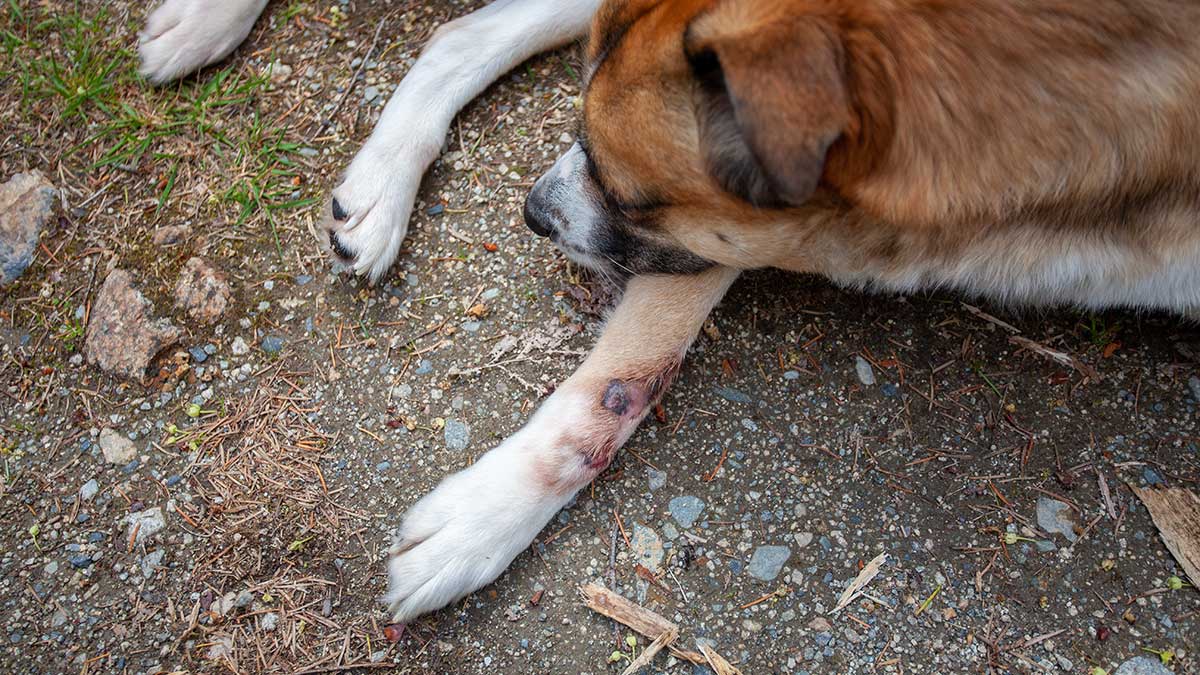
A lick granuloma develops when a dog repeatedly licks one area until the skin becomes inflamed, thickened, hairless, and sometimes ulcerated or infected. Stopping the licking requires more than covering the sore because successful care must identify and address the medical, physical, or behavioral trigger behind it. A dog may begin licking because a spot…
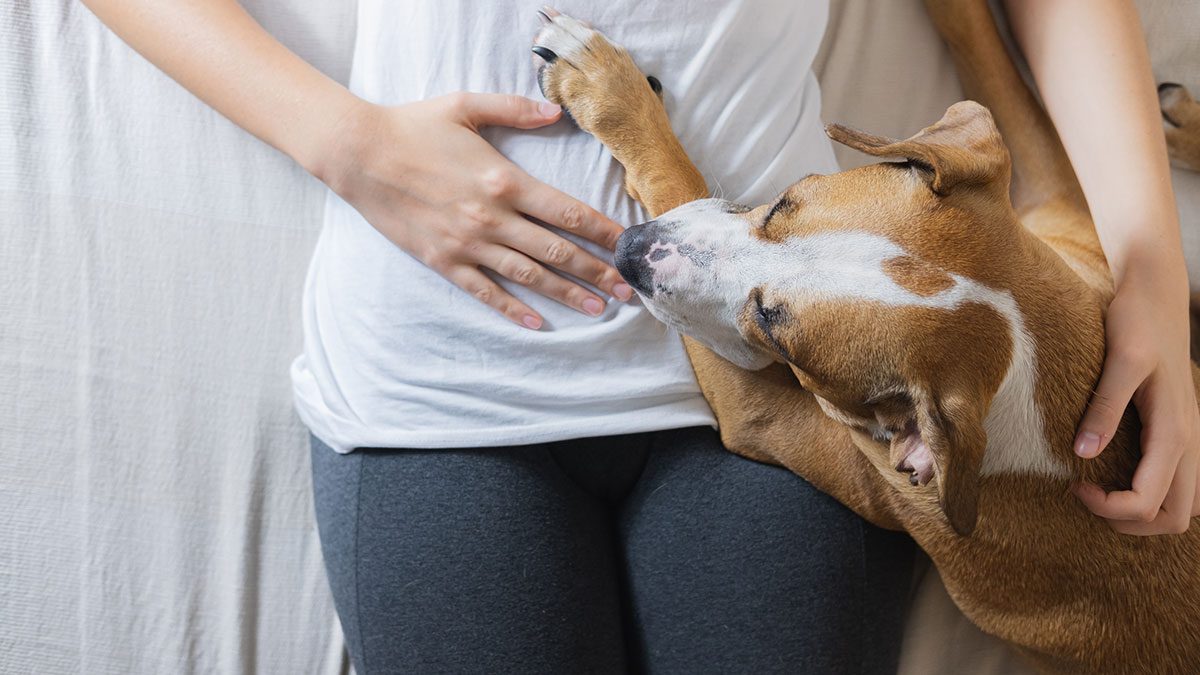
Dog muscle spasms are involuntary contractions that may look like twitching, trembling, jerking, or a tight muscle that will not relax. A brief isolated twitch may be harmless, but repeated spasms, pain, weakness, altered awareness, or other illness signs can point to an injury, metabolic problem, toxin exposure, or neurologic condition. Because several problems can…
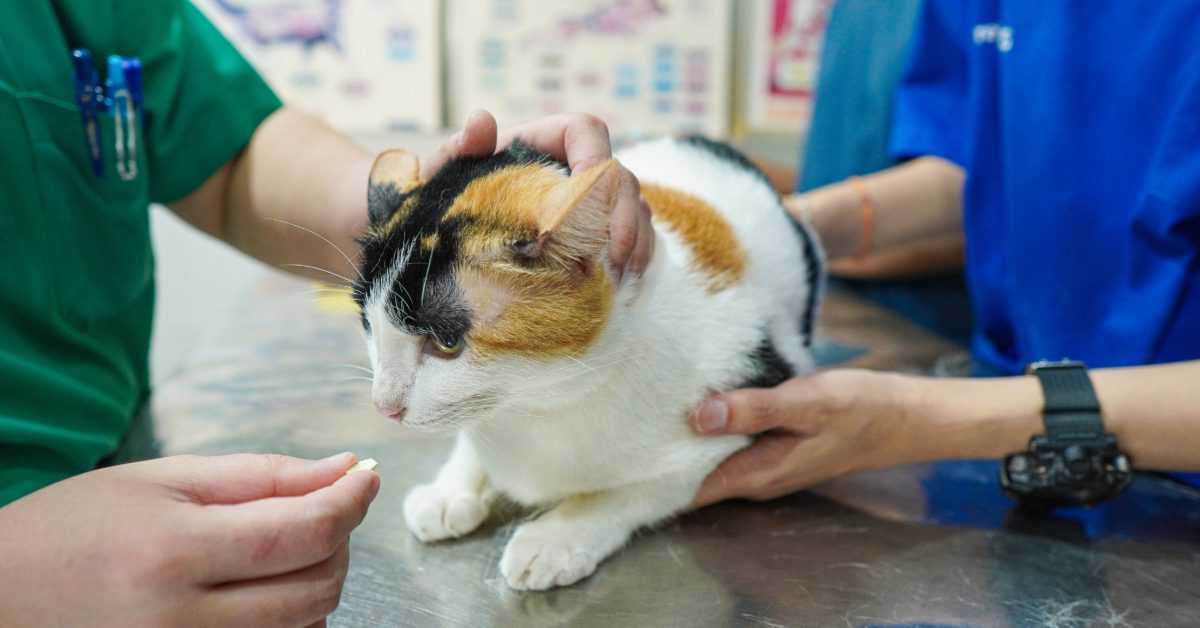
Learning how to give a cat a pill is one of those skills every cat owner eventually needs, and one that most dread. The good news is that giving your cat a pill doesn’t have to be a battle. With the right technique, a little preparation, and some patience, you can get the job done…
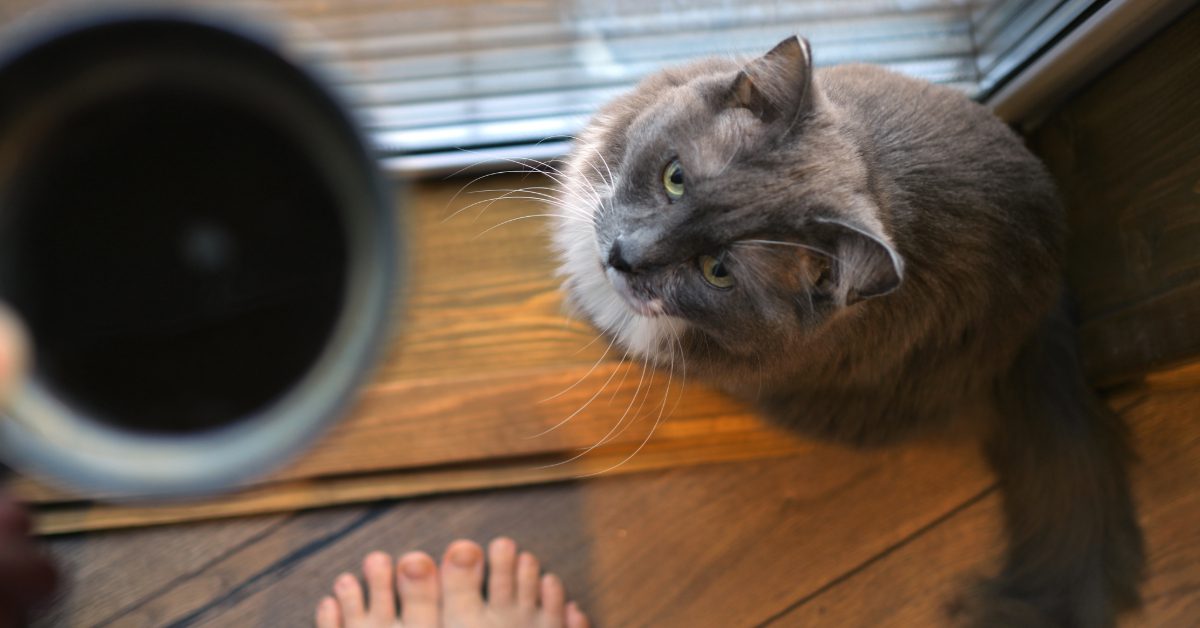
If your cat keeps biting your feet, you’re definitely not alone, and your cat isn’t being mean. Cats bite feet for a variety of reasons, most of which are completely normal feline behaviors. Understanding why your cat bites your feet is the first step toward redirecting that behavior and building a stronger, more comfortable bond…

Knowing how to tell if your dog is sick is one of the most important skills you can develop as a pet owner. Dogs can’t tell you when something hurts, which means it’s up to you to recognize the signs that something is wrong. Some symptoms are obvious, while others are easy to overlook, and…
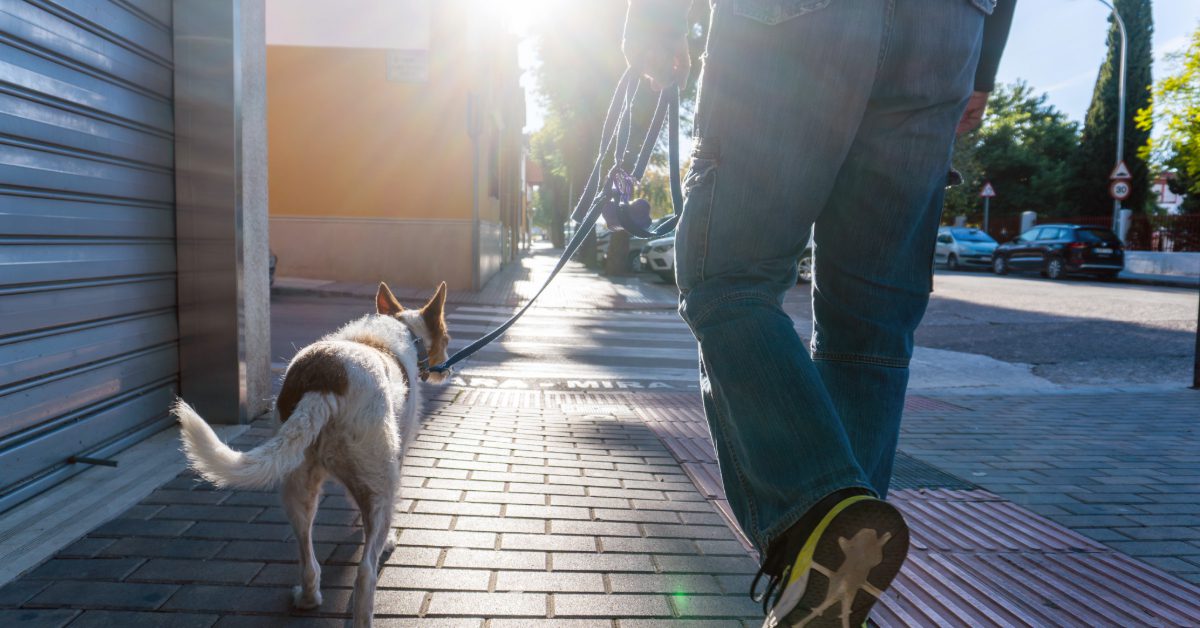
Knowing how long to wait to walk your dog after eating could literally save your dog’s life. Most veterinarians recommend waiting at least 30 minutes to 2 hours after a meal before taking your dog for a walk or any vigorous exercise, and for large or deep-chested breeds, that wait time matters even more. Whether…